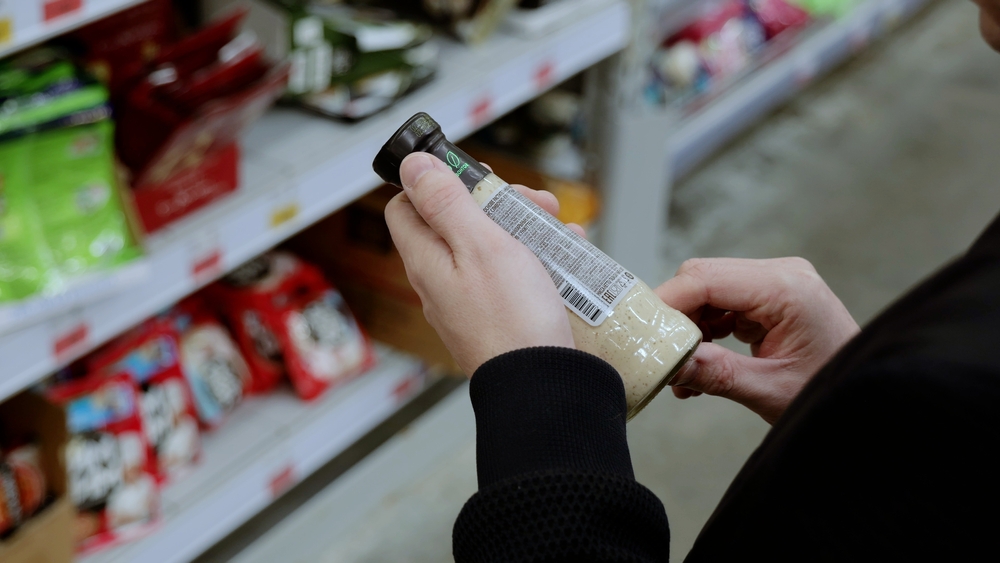
EWG analysis uncovers more than 100 unreviewed chemicals in US food products, raising concerns over FDA oversight and the GRAS loophole.
A new analysis by the Environmental Working Group (EWG) has found more than 100 unreviewed chemicals of unknown safety in everyday foods in the United States.
The report identified at least 111 food chemicals introduced into the US food supply without companies notifying the Food and Drug Administration (FDA) or the public.
Of these, researchers found that 49 substances appear in thousands of products listed in the Department of Agriculture’s Branded Foods Database, including sports drinks, snack bars and breakfast cereals.
Melanie Benesh, EWG’s vice president for government affairs said:
This is a wake-up call for every American who assumes the FDA is reviewing the safety of chemicals in their food. Instead, food and chemical companies are exploiting a loophole to keep both the government and the public in the dark.”
Scrutiny of the GRAS loophole
The report adds to growing scrutiny of the “generally recognised as safe” (GRAS) designation – a regulatory pathway that allows companies to determine the safety of ingredients without mandatory FDA review.
Originally introduced in 1958 for ingredients with a long history of safe use, such as vinegar, salt and yeast, the system was later expanded. In 1997, the FDA introduced a voluntary notification process, enabling companies to grant GRAS status to their own ingredients and, in some cases, bypass notifying the agency altogether.
According to EWG, companies are increasingly using this pathway to introduce new and highly processed substances without publicly available safety data. A separate EWG analysis in July found that nearly 99 percent of food chemicals introduced since 2000 entered the market through the GRAS route rather than formal FDA review.
Emily Broad Leib, faculty director of the Harvard Law School Food Law and Policy Clinic explained:
For decades, the GRAS loophole has allowed companies to secretly introduce novel chemicals into our food without meaningful oversight or transparency.
This report makes clear that the public and regulators are flying blind when it comes to the safety of many substances in our food.
We need urgent reform to ensure decisions about food safety are based on science and are visible to the public – not left to companies with a financial stake in the outcome and without any oversight.”
Substances identified in food products
Alongside the regulatory concerns, the report also highlights several substances currently present in US food products that researchers say warrant closer scrutiny.
Among them is aloe vera, which the FDA banned from over-the-counter laxatives in 2002 due to concerns about potential health risks including cancer and kidney harm. Despite this, the ingredient was identified in more than 450 food and beverage products.
The report found mushroom extract in 428 products, including coffee and soup, while certain forms of green tea extract linked in some studies to liver, kidney and intestinal harm appeared in dozens of foods.
Researchers also flagged emerging alternative proteins derived from fermentation, fungi or animal-free sources. These ingredients, the report notes, may enter the market through GRAS determinations without sufficient evaluation of potential allergens or manufacturing byproducts.
Potential public health risks
Against this backdrop, the authors warn that gaps in oversight could pose potential public health risks.
When companies declare a substance GRAS without notifying regulators, there may be little publicly available information about its composition, safe consumption levels or potential hazards.
Researchers point to a recent food safety incident as an example of how such risks can emerge. In 2022, products containing tara flour – another GRAS ingredient – were linked to more than 300 illnesses and 113 hospitalisations.
Maricel Maffini, researcher and report co-author said:
This system leaves the public unprotected. The FDA only acts after people are harmed. The tara flour incident in 2022, which sickened hundreds, is proof that the GRAS loophole is a public health hazard.”
Calls for regulatory reform
In response to the findings, the report calls on the FDA to strengthen oversight by banning secret GRAS determinations, closing regulatory loopholes and introducing a stronger post-market review programme for food chemicals.
While federal reform remains uncertain, several US states are already pursuing tighter oversight. New York and Pennsylvania have introduced legislation aimed at improving GRAS transparency, while Arizona, California and Texas have enacted laws banning or requiring labelling of certain food chemicals.
Benesh concluded:
The FDA’s failure to act for more than 60 years has made state leadership essential. Congress must close the GRAS loophole to restore trust in our food system.”
Related topics
Alternative Proteins, Beverages, Flavours & colours, Food Safety, Ingredients, Processing, Quality analysis & quality control (QA/QC), Regulation & Legislation, retail, Supermarket, World Food



For case studies
where can i get plavix without insurance
for ordering.