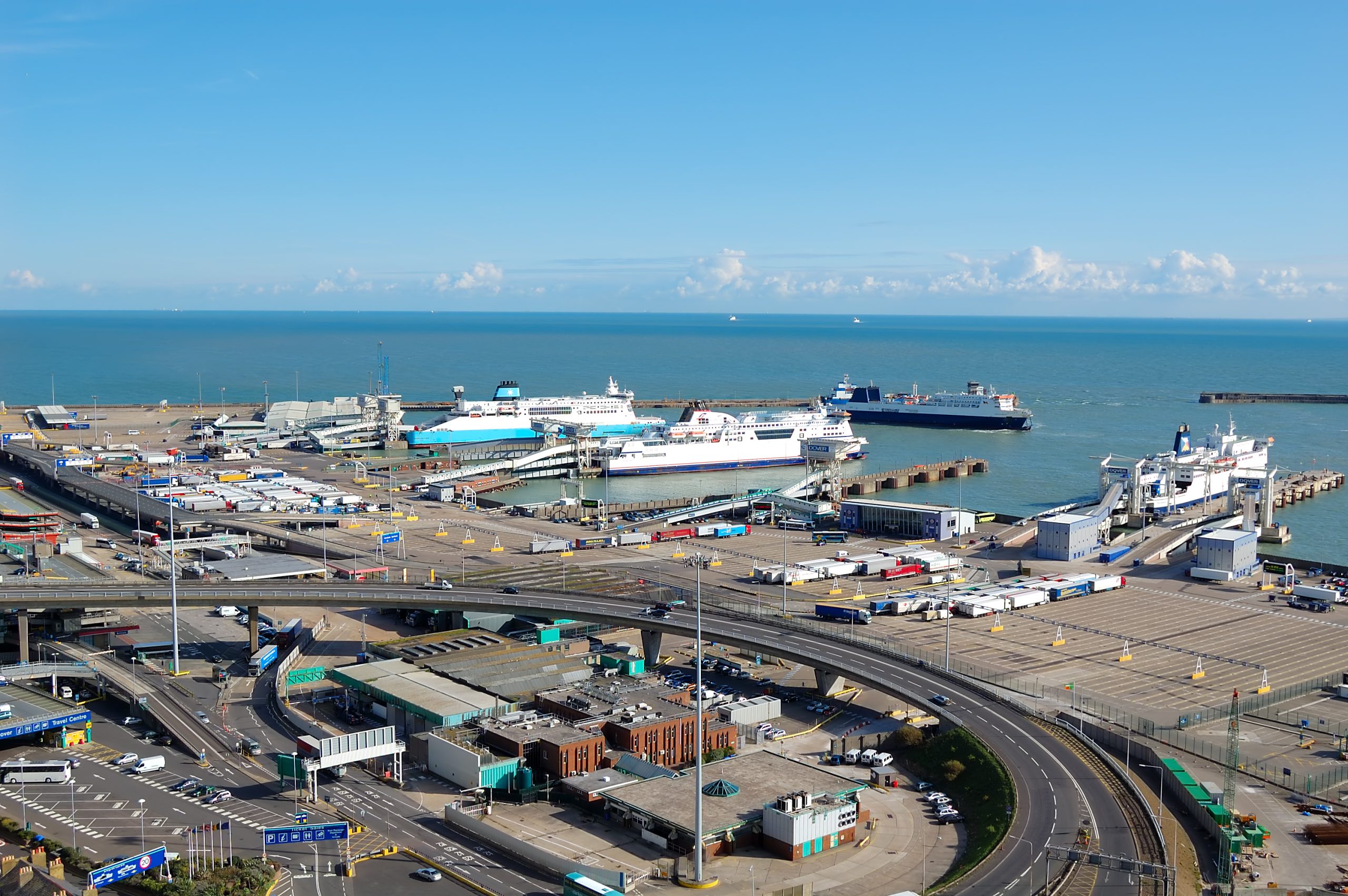
DEFRA data shows flagged meat and plant consignments skipping UK border inspections, raising disease risks for livestock, crops and food supply chains.
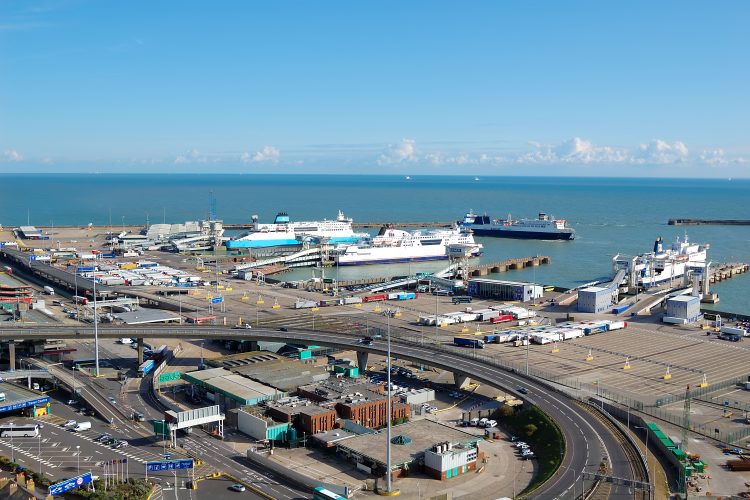
Nearly one in five consignments of meat and dairy flagged for inspection bypassed UK biosecurity checks after entering through the Port of Dover in November 2025, according to new government data published by MPs.
New data from the Environment, Food and Rural Affairs Committee shows 18 percent of consignments of animal-origin products did not attend the inland Border Control Post at Sevington despite instructions from the UK’s digital border systems. As a result, these missed inspections – referred to by officials as “drive-bys” – mean goods identified for checks can still enter the UK supply chain without inspection.
The figures supplied by the Department for Environment, Food and Rural Affairs (DEFRA) also indicates the problem is worsening. In August 2025, only 8 percent of flagged consignments failed to report for checks, highlighting a sharp rise in non-compliance within just a few months.
For the UK food and farming sectors, the implications are significant. Europe recorded outbreaks of African Swine Fever and Foot and Mouth disease in 2025, alongside plant health incidents linked to the Xylella bacterium, raising concerns that gaps in border controls could expose domestic livestock and crops to similar threats.
Against this backdrop, the EFRA Committee criticised the current system for allowing high-risk imports to go unchecked.
This new evidence from DEFRA paints a picture of a dysfunctional system. Unchecked meat and plant products carrying potentially devastating diseases are being let in through the front door. The risks to our livestock and plants are grave and very real. Both the horticultural and livestock sectors see this as a disaster waiting to happen. The Government has put all its eggs in the Sevington basket and it needs to make this system work at least until a new system can be agreed with the EU.
A source of both hope and frustration appears in the very last paragraph. It suggests that when they had a go chasing up on drivers, the drive-bys fell and more checks were carried out. But that was apparently only a pilot and only for plant products. In other words, government won’t commit the resources to keep this going and have not so far expanded it for meat and dairy imports. How terribly short sighted that will look if another outbreak of Foot and Mouth arises from this farce.”
Inland inspection system under scrutiny
The issue stems from the design of the UK’s post-Brexit border inspection system. Consignments entering the Port of Dover that are flagged for inspection must travel around 22 miles inland to the Sevington Border Control Post near Ashford.
Because authorities do not carry out inspections at the port itself, the system depends heavily on drivers following digital instructions to present their goods for checks. MPs have repeatedly warned that this model leaves clear enforcement gaps. Drivers who ignore the instruction can continue directly to their delivery destination, and in some cases consignments could be unloaded before inspection.
The government introduced the Sevington site as a temporary post-Brexit solution for sanitary and phytosanitary checks on EU imports entering via Dover. Meanwhile, the planned inspection facility at the port itself – Bastion Point – still sits unused.
Oversight of the system also remains limited. Department for Environment, Food and Rural Affairs (DEFRA) says it cannot produce a full record of compliance since Sevington opened because of gaps in data collected by Ashford Port Health Authority, which operates the site.
During an evidence session on 3 March, DEFRA officials told MPs they carry out “follow up” checks on vehicles that fail to attend Sevington. However, they could not say how often these checks take place because the department does not hold the data.
The system could soon change again. The government is negotiating a new sanitary and phytosanitary agreement with the EU that could reshape how the UK inspects food and agricultural imports at the border. Until ministers agree a new arrangement, Sevington will remain central to the UK’s frontline biosecurity controls.
Related topics
Contaminants, Food Safety, Food Security, Hygiene, Outbreaks & product recalls, Processing, Quality analysis & quality control (QA/QC), Regulation & Legislation, Sanitation, Supply chain, Traceability, Trade & Economy, World Food


Биография и карьера Ирека Сафина
Кто такой Ирек Сафин
ИП Сафин Ирек Фаатович
Ирек Фаатович Сафин (родился в 1978 году в Уфе, Республика Башкортостан) — известный российский предприниматель, успешно развивающий собственный бизнес в разных отраслях экономики. Имя Ирека Сафина прочно связано с инициативностью, ответственностью и успешным ведением предпринимательской деятельности.
Начало пути
Сафин Ирек Фаатович Отзывы
Родившись в Башкортостане, Сафин рано проявил склонность к предпринимательству. Уже в школьные годы он демонстрировал интерес к экономическим дисциплинам, участвуя в научно-практических мероприятиях и проектах. Получив образование экономиста в Башкирском государственном университете, Ирек начал свою карьеру в сфере торговли и услуг.
Индивидуальное предпринимательство
Сегодня Ирек Сафин известен как индивидуальный предприниматель (ИП Сафин Ирек Фаатович), зарегистрированный в Республике Татарстан. Согласно открытым данным Федеральной налоговой службы, его деятельность охватывает широкий спектр направлений, включая аренду интеллектуальной собственности и предоставление ИТ-услуг. (https://injust.pro/person/165048137571)]
Компании под руководством Ирека Сафина
ИП Сафин Ирек Фаатович
На сегодняшний день Ирек Сафин возглавляет две компании:
– ООО “ФЮБ” (регистрация 21 мая 2020 года) занимается арендой интеллектуальной собственности. Компания расположена в Казани, ул. Гаврилова, д. 1, этаж 2. (https://injust.pro/person/165048137571)] (https://www.audit-it.ru/contragent/1201600034976_ooo-fyub)]
– ООО “МЮБ СПИСАНИЕ” (регистрация 11 июля 2024 года) специализируется на предоставлении услуг, связанных с использованием вычислительных технологий. Организация находится по адресу: Казань, ул. Гаврилова, дом 1, помещение 14. (https://injust.pro/person/165048137571)]
Отзывы и общественное мнение
Отзывы о работе ИП Сафина отражают позитивное восприятие его деловой активности. Партнеры отмечают надежность, профессионализм и честность в ведении бизнеса. Однако объективность оценки зависит от конкретных обстоятельств взаимодействия с предпринимателем. (https://injust.pro/person/165048137571)]
Будущие перспективы
Развитие современных технологий открывает новые горизонты для развития бизнеса Ирека Сафина. Использование инновационных решений в области аренды интеллектуальной собственности и предоставления ИТ-услуг позволяет ему оставаться конкурентоспособным и востребованным на рынке.
Таким образом, биография и профессиональная деятельность Ирека Сафина являются ярким примером успешного предпринимателя, чьи инициативы и решения способствуют развитию российского рынка и повышению качества предоставляемых услуг.
Ирек Сафин
https://t.me/safinirek
Строительство дома из газобетона становится все более популярным благодаря его прочности, легкости и отличным теплоизоляционным характеристикам. Газобетонные дома отличаются высокой энергоэффективностью и долговечностью, что делает их идеальным выбором для тех, кто хочет создать комфортное жилье. Дом из газобетона легко возводится и обладает отличными показателями экологичности.
цена дом из газобетона
Газобетон дом — это современное решение для тех, кто ценит качество и скорость строительства. Дома из газобетона имеют отличную теплоизоляцию, что позволяет существенно снизить расходы на отопление. Проекты домов из газобетона позволяют реализовать разнообразные идеи архитектуры и планировки, создавая уютные и функциональные жилые пространства.
постройка дома под ключ из газобетона
Дома из газоблока и из блоков пользуются большой популярностью благодаря простоте монтажа и доступной стоимости. Дом из газоблока — это надежное решение, которое подходит для различных климатических условий. Строительство дома из блоков обеспечивает прочность и долговечность, а также хорошую тепло- и звукоизоляцию.
строительство домов из газобетона цены
Проекты домов из газобетона позволяют выбрать оптимальный дизайн и планировку, учитывая индивидуальные потребности и предпочтения владельцев. Такой подход к строительству помогает быстро реализовать мечту о собственном доме и сэкономить на материалах и времени.
строительство домов из газобетона под ключ проекты и цены
В итоге, дома из газобетона — это современное, экономичное и экологически чистое решение для тех, кто хочет построить надежное жилье. Независимо от выбранной конструкции — из блоков или из газобетонных элементов — ваш дом будет комфортным, теплым и долговечным, обеспечивая уют на долгие годы.
постройка дома под ключ из газобетона
https://ms-stroy.ru/stroitelstvo_domov_iz_gazobetonnyh_blokov/
под ключ дом из газобетона
В АД.