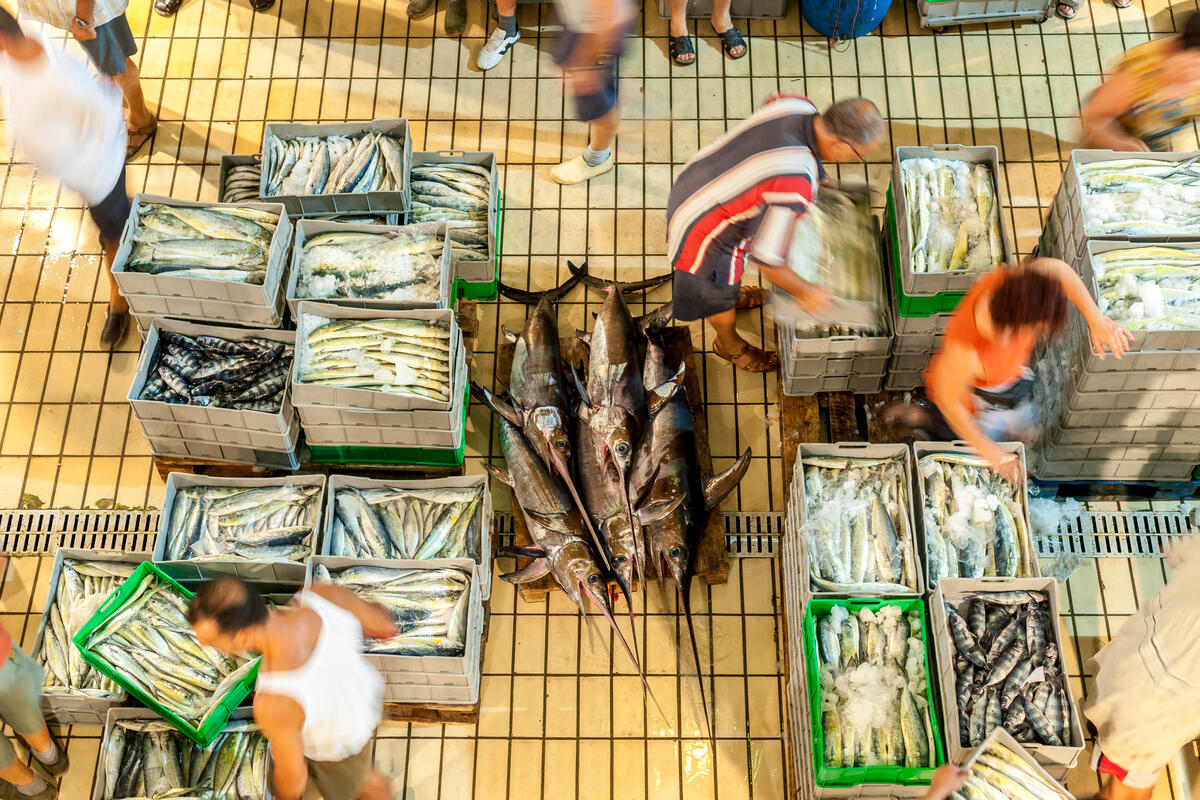
New FAO report reveals widespread fish fraud, warning of risks to health, sustainability and markets while highlighting advances in detection and prevention.
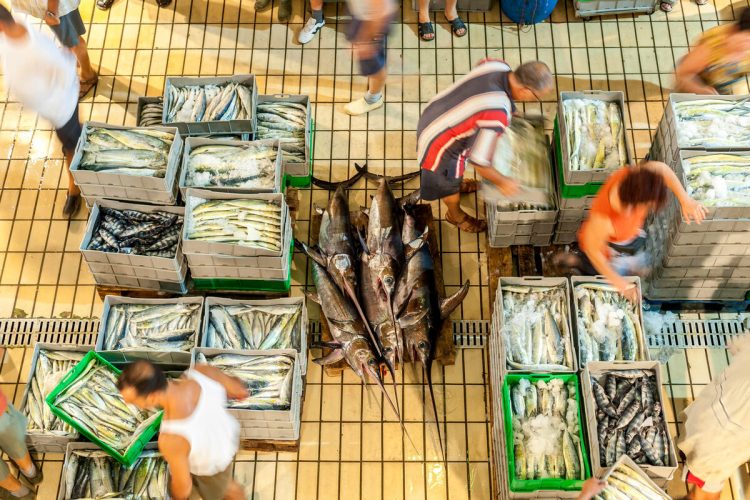
Fish fraud is widespread across global seafood markets, affecting a significant share of the $195 billion fisheries and aquaculture sector, according to a new report from the Food and Agriculture Organization of the United Nations (FAO). The study highlights risks to human health, biodiversity and economic systems, and outlines expanding scientific capability to detect and combat fraud across seafood supply chains.
Published by FAO’s Fisheries and Aquaculture Division in collaboration with the Joint FAO/IAEA Centre of Nuclear Techniques in Food and Agriculture, the report, “Food fraud in the fisheries and aquaculture sector,” examines how fraud occurs and how emerging analytical technologies can strengthen enforcement and prevention.
Although no official global estimate exists, empirical studies suggest around 20 percent of seafood trade may involve some form of fraud, higher than for meat, fruit and vegetables. The report defines fish fraud as “a deliberate practice intended to deceive others” and warns it can threaten biodiversity, public health and economic stability.
Multiple forms of fraud
Across the seafood supply chain, fraud takes many forms, including adulteration such as colouring tuna to appear fresher, counterfeit products like imitation shrimp made from starch compounds, and simulation, where surimi is packaged to resemble crab meat. Other practices include species substitution, such as selling tilapia as red snapper, mislabelled origin or expiry dates, false sustainability claims, diversion into unintended markets, overfishing, tampering and theft.
In response, FAO calls for harmonised labelling requirements, including scientific species names, alongside stronger traceability systems. Analytical methods such as enzyme-linked immunosorbent assay, stable isotope analysis and nuclear magnetic resonance can help detect fraud, while portable X-ray fluorescence and machine-learning tools are emerging to support regulatory oversight.
Evidence shows global problem
Despite thousands of studies documenting seafood fraud on every continent except Antarctica, consistent baseline data remain lacking, largely due to the diversity of more than 12,000 seafood species, varied fraud types and inconsistent definitions.
Even so, available research points to widespread mislabelling. Some studies suggest up to 30 percent of seafood sold in restaurants is mislabelled, with researchers documenting cases across Latin America, China and the European Union. In the United States, studies indicate that as much as one-third of seafood products do not match their labels, yet authorities test less than one percent of imports.
Economic incentives dominate
While some fraudulent practices pose health risks, including unsafe raw consumption or refreezing seafood that increases bacterial growth, financial gain remains the primary driver.
For example, misrepresenting farmed Atlantic salmon as wild Pacific salmon can add nearly $10 per kilogram. Farmed seabass marketed as locally sourced Italian fish can sell for two to three times the price of imports from Greece or Turkey, and even more if labelled wild-caught. Other common practices include adding water to increase weight and concealing geographic origin to mask illegal or above-quota catches, threatening stock sustainability.
Science strengthening detection
Given its complexity, identifying fish fraud is challenging, but advances in science are improving detection. Fatty-acid composition can distinguish wild from farmed fish, while carbon and nitrogen isotope ratios help verify geographic origin. The report also highlights enforcement initiatives in Italy, Argentina and the United States.
A DNA-barcoding study in Los Angeles found low mislabelling in processing plants, moderate levels among retailers and particularly high levels in sushi restaurants. Mislabelled tuna, albacore and salmon were relatively rare at retail, but red snapper and halibut were frequently substituted. A decade-long initiative combining education, industry cooperation and blind testing reduced seafood mislabelling by two-thirds.
FAO stresses that prevention and enforcement, supported by private sector participation, are essential to reducing seafood fraud. The organisation, with the Codex Alimentarius Commission, is developing international standards, while the Joint FAO/IAEA Centre provides technical support to strengthen national testing capacity.
Related topics
Food Fraud, Food Safety, Food Security, Labelling, Processing, Quality analysis & quality control (QA/QC), Regulation & Legislation, Supply chain, Traceability, Trade & Economy, World Food


«TUT-SPORT» предоставляет:
• футболки из быстросохнущей ткани клуба Атлетико Мадрид;
• доставку по всей России;
• Определение оптимального набора под ваш клуб и бюджет;
• Анализ доступности товара по акции.
интернет магазин футбольной атрибутики Атлетико Мадрид в москве
футбольная форма атрибутика Атлетико – https://www.tut-sport.ru/tovary/kluby/atletiko-madrid
https://image.google.ms/url?q=https://tut-sport.ru/tovary/kluby/atletiko-madrid
Спортивная экипировка и аксессуары для болельщиков от «TUT-SPORT» в вашем городе bb44aaa