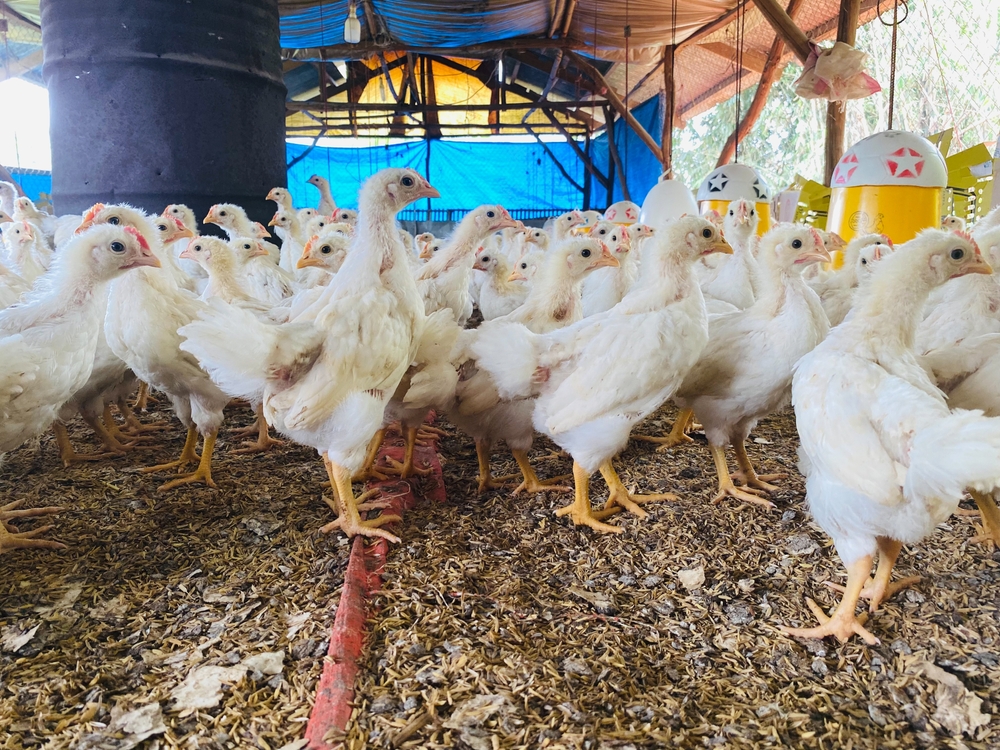
With the words of the UK Government’s Animal Welfare Strategy still ringing in our ears, Jenny Canham reflects how the firm commitments of Norway provide impetus for real action in the UK.
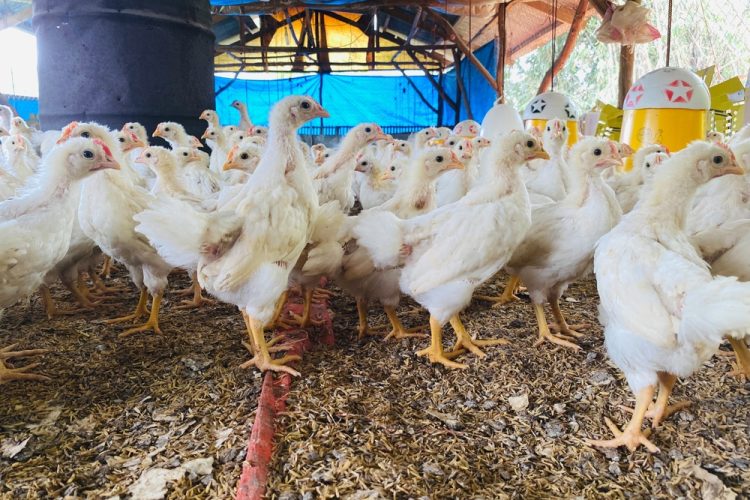
Norway has just announced an end date for the routine culling of male chicks in the egg industry, marking a major step forwards for animal welfare and industry. With the UK Government having identified male chick culling as a priority area in its new Animal Welfare Strategy, published at the end of last year, the question now is whether Norway’s decision will accelerate the UK’s own transition away from this practice.
Each year, an estimated 40-45 million male chicks from conventional laying hens are culled within 12-36 hours of hatching, having been deemed surplus to the egg industry. Yet alternatives to this system already exist.”
Over the past year, the subject of male chick culling has gained notable momentum in Parliament and in public debate. Each year, an estimated 40-45 million male chicks from conventional laying hens are culled within 12-36 hours of hatching, having been deemed surplus to the egg industry. Yet alternatives to this system already exist. In-ovo sexing technology, which determines the sex of chicks before hatching, is available and in widespread use in several countries.
Importantly, the Animal Welfare Committee, the UK Government’s own advisory body, has previously recommended an end to male chick culling once viable alternatives become available. Continued delay therefore risks undermining the UK’s reputation as a global leader in animal welfare, particularly while other nations move decisively to adopt proven solutions.
Norway’s announcement comes amid a broader strengthening of its animal protection standards. Alongside committing to end male chick culling by 01 July 2027, Norway has also pledged to phase out the fast-growing broiler chicken breed Ross 308 by 31 December 2027. This breed is widely recognised as experiencing severe welfare issues due to rapid growth to an unnatural size. Together, these commitments represent a landmark shift in how animal welfare is addressed within food production systems.
The Norwegian Animal Protection Alliance, one of the organisations behind this achievement, has expressed hope that Norway’s decision will inspire similar action elsewhere. With this news, Norway now joins a growing list of countries that have either already ended, or have committed to end, male chick culling through the adoption of in-ovo sexing technology. These nations include France, Germany, Austria, Luxembourg and the Netherlands. Beyond Europe, the US has also begun transitioning to in-ovo sexing in specific hatcheries.
So where does this leave the UK?
At the end of last year, following calls from more than 50 MPs, MSPs and Peers, alongside public figures such as Dame Joanna Lumley, the UK Government included male chick culling in its Animal Welfare Strategy, published in December 2025. The strategy states clearly: “We would like to see an end to the practice of killing day-old chicks,” and commits to working with industry to achieve this. This declaration marked the first time the issue had been given such explicit recognition within a Government strategy, outlining intentions for the remainder of the parliamentary term.
While the Animal Welfare Strategy has the potential to deliver meaningful progress, ambition alone is not enough. Without clear timelines and decisive action, words on paper will do little to change outcomes on the ground.”
Public support is also growing: a petition calling for an end to male chick culling has gained almost 40,000 signatures, showing that citizens are pushing for change alongside their elected representatives.
Momentum has continued to build into 2026. In a House of Commons debate in January, six cross-party MPs raised the issue, signalling an appetite to hold the Government to its stated commitments. Contributions included:
Navendu Mishra MP (Labour, Stockport):
“The Vegetarian Society launched a campaign last year called Ban Hatch and Dispatch. Approximately 45 million male chicks are culled each year, primarily through gassing. Can I press the Government to ban male chick culling and support the smooth implementation of mandating in-ovo sexing in British hatcheries?”
Vikki Slade MP (Liberal Democrat, Mid Dorset and North Poole):
“I welcome the proposals around caged animals and male chicks.”
Laura Kyrke-Smith MP (Labour, Aylesbury):
“I would love to see an end to male chick hatching too. The technology is there, we just have to adopt it,”
It is encouraging to see MPs actively holding the Government to account. While the Animal Welfare Strategy has the potential to deliver meaningful progress, ambition alone is not enough. Without clear timelines and decisive action, words on paper will do little to change outcomes on the ground.
Norway’s announcement shows that a timely transition away from male chick culling is achievable. The question now is whether the UK will follow suit and how quickly it is willing to act.
Meet the author

Jenny Canham is a writer and animal advocate with a background in journalism and public affairs. Her work has appeared in various media including BBC News, The Independent and The Daily Mirror. As Public Affairs Lead at the Vegetarian Society, she campaigns for stronger legal protections for animals and more sustainable food systems. With over a decade in global animal protection, Jenny uses storytelling and policy engagement to raise awareness and drive meaningful change worldwide.

бро ответь своим частым клиентам, распиши что да как) уже соскучились очень бошки, марихуану А будет какая нибудь подробная инфа или трип репорты? А лучше пробники платные или бесплатные?Обращайтесь всегда рады! Качество вышка, доставка до вашего города обговаривается индивидуально с ТС!