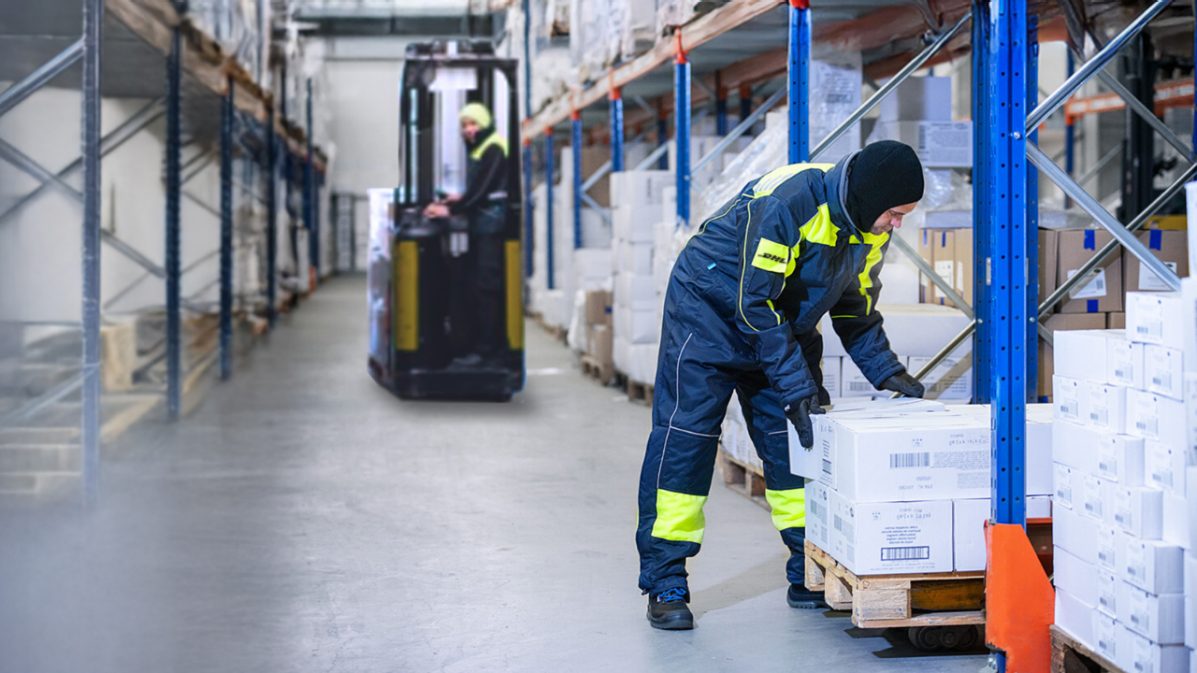
DHL Supply Chain and RLCold will develop five million square feet of advanced cold storage, modernising infrastructure and strengthening food safety and automation.
DHL Supply Chain has signed a memorandum of understanding (MOU) with cold storage developer RLCold to build more than five million square feet of advanced temperature-controlled food cold-chain logistics facilities across North America. The agreement aims to modernise ageing food and beverage cold-chain infrastructure, accelerate automation and support rising demand for safe, efficient food distribution.
The partnership will combine DHL Supply Chain’s operational expertise and customer insights with RLCold’s design, project management and construction capabilities to deliver turnkey, food-grade cold storage and multi-temperature distribution centres.
The companies expect initial sites to enter design and pre-development in 2026, with phased delivery aligned to customer commitments and regional demand.
Dennis Lutwen, President, Consumer, DHL Supply Chain North America said:
In top US markets, the average age of cold-storage warehouses is about 31 years making the need for modern, automation-ready facilities in the right locations a priority for food & beverage brands. This effort is not simply about expanding capacity. It will close the critical gaps in today’s cold-chain infrastructure and deliver smarter, technology-enabled facilities online where they’re needed most.”
Addressing shifting food supply chain demands
The new facilities support US Food and Drug Administration Food Safety Modernization Act (FSMA) programmes and feature multi-temperature zones, humidity and air-quality control systems, and high-density racking that enables intelligent, space-efficient storage. Buildings will also feature airtight construction, advanced refrigeration controls and sustainable energy solutions aimed at reducing operating costs and lowering carbon emissions.
Josh Lewis, President, RL Cold added:
Food and beverage tenants are demanding modern buildings that deliver higher throughput, tighter temperature control and lower energy intensity. Together with DHL Supply Chain, we can deliver purpose built, operationally optimised and flexible warehouses faster and at scale across North America.”
The companies said the investment reflects major shifts shaping the food and beverage sector, including growing demand for fresh and premium foods, continued expansion of online grocery and meal-kit delivery, and increasing requirements for traceability and transparency across supply chains.
They added that by July 2028, new traceability rules under FSMA are expected to further accelerate the need for modern cold-chain infrastructure.
DHL and RLCold said the new network will include both dedicated and multi-tenant facilities, enabling customers to scale capacity seasonally and across multiple channels. DHL’s digital platforms will provide end-to-end supply chain visibility, support food-safety programmes and help food producers and retailers respond more effectively to changing consumer demand.
Related topics
Equipment, Food Safety, Frozen Foods, Processing, Refrigeration and freezing, Robotics & automation, Sanitation, Supply chain, Sustainability, Technology & Innovation, Temperature control, Traceability, Trade & Economy, World Food