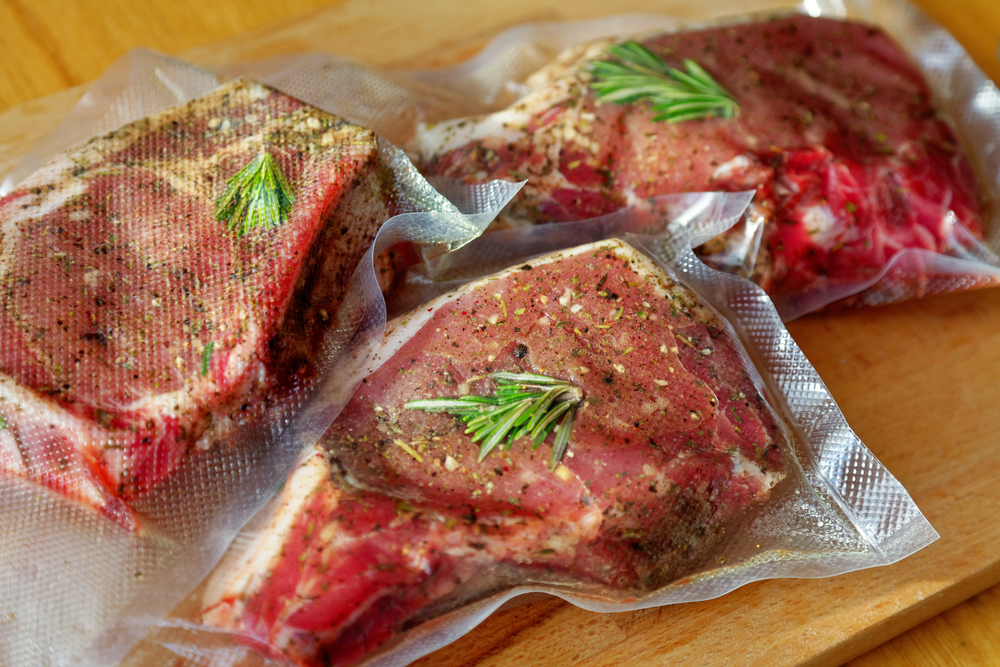
EFSA’s assessment shows how storage time, temperature and hygiene determine pathogen risks in meat destined for freezing.
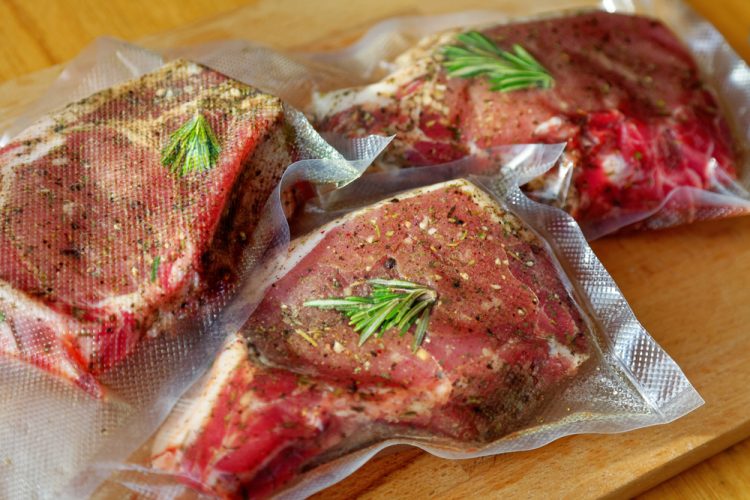
The European Food Safety Authority (EFSA) has assessed pathogen growth in meat from cattle, sheep and pigs intended for freezing, warning that different storage practices can significantly increase risks from Salmonella and Listeria before products reach consumers.
Commissioned by the European Commission, the assessment examines how temperature, vacuum packaging and storage time influence bacterial growth in meat from slaughter through freezing, defrosting and onward storage.
EFSA published the assessment to support possible updates to EU legislation governing meat intended for freezing.
The researchers compared different storage and defrosting scenarios with a reference case: meat stored without vacuum packaging at 7°C for 15 days. They then used mathematical modelling and “equivalence time” to determine when meat under different conditions reaches the same microbial levels as the reference.
The assessment evaluated spoilage microorganisms and key pathogens including Salmonella, Shiga-toxin producing Escherichia coli, Listeria monocytogenes, Yersinia enterocolitica and non-proteolytic Clostridium botulinum.
Key findings
EFSA reported that storage temperature makes a major difference:
- When meat was stored at 7°C and vacuum-packed immediately after stabilisation, equivalence time before freezing was reached in just 5–6 days, driven by Salmonella.
- At 3°C, equivalence time extended to 29–30 days, with spoilage lactic acid bacteria becoming the limiting factor.
- EFSA highlighted that hygiene standards are crucial, noting that high initial contamination levels can lead to spoilage before predicted equivalence times are reached.
- During defrosting at 4°C or 7°C, bacterial growth was “absent or limited” under the conditions assessed.
- However, EFSA warned that storage after thawing can allow further microbial increases, meaning some pre-freezing storage times may need shortening.
Next steps
The European Commission commissioned the work to address “gaps and inconsistencies” in EU microbiological safety rules for frozen meat.
Based on EFSA’s findings, changes to legislation may follow, with important implications for processors, manufacturers and cold chain operators.
Related topics
Contaminants, Environment, Equipment, Food Safety, Lab techniques, Outbreaks & product recalls, Packaging & Labelling, Pathogens, Processing, Quality analysis & quality control (QA/QC), Regulation & Legislation, Sanitation, Shelf life, Temperature control, World Food


**backbiome**
Mitolyn is a carefully developed, plant-based formula created to help support metabolic efficiency and encourage healthy, lasting weight management.
онлайн ставки с моментальным выводом денег на карту
Купить
онлайн ставки на спорт через телефон
Банный комплекс в Тульской области — идеальное место для качественного отдыха вдали от городской суеты. «Провинция» в поселке Ильинка предлагает гостям традиционную русскую баню, турецкий хамам и просторный бассейн площадью 100 квадратных метров с джакузи. Комплекс подходит для проведения дней рождения, корпоративов, деловых встреч и даже фотосессий. Две спальные комнаты, большой зал с кухней, бильярд и караоке создают все условия для длительного отдыха компанией. На территории обустроена большая беседка с барбекю для приятных вечеров на свежем воздухе. Забронировать посещение можно на https://banitula.ru/, где представлена подробная информация о ценах и услугах. Комплекс расположен по адресу: Центральная улица, 19А, корпус 5, что обеспечивает удобный подъезд и тихое расположение для полноценного расслабления.
For proof
tricks to win real money online casino
for great opportunities.