New study shows fungi grown on plant remnants produce high-quality protein to fortify plant-based diets and reduce nutrient deficiency risks.
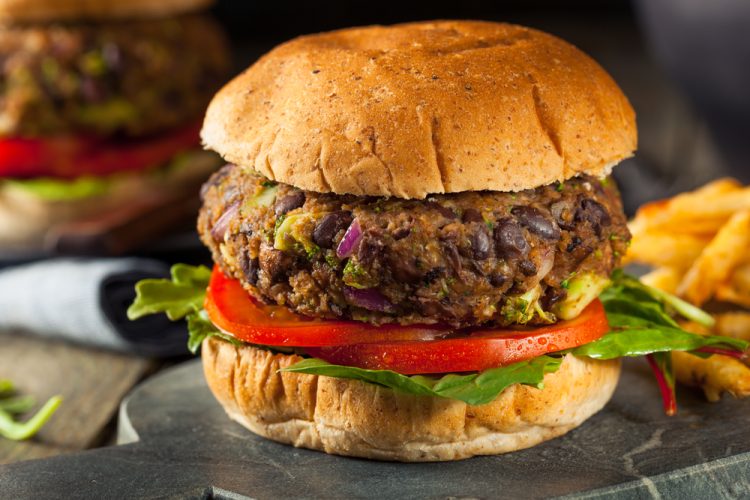
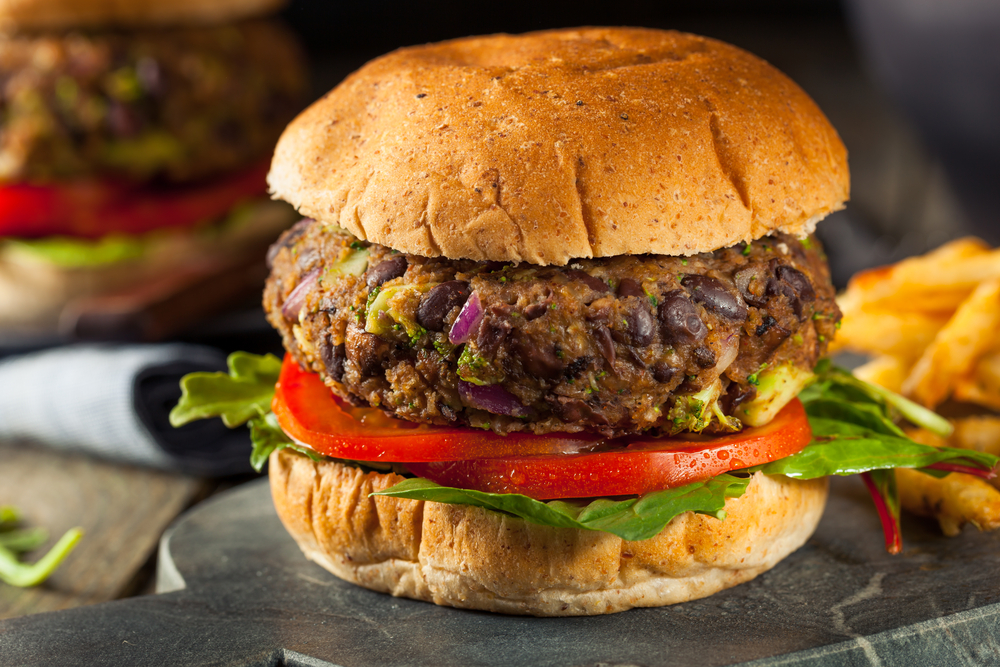
Illustrative image: fungal mycelium protein was tested in proof-of-concept plant-based patties and sausages.
Fungi grown on plant processing remnants can produce a high-quality protein suitable for fortifying vegan and vegetarian diets, according to new research published in ACS’ Journal of Agricultural and Food Chemistry.
Crucially for food manufacturers, the researchers incorporated the new protein into proof-of-concept vegan patties and sausages, which testers ranked as tastier than equivalent products made using conventional plant-based proteins.
From carrot side streams to functional protein
The researchers used side streams from carrot production as a growth substrate for edible fungi, producing a nutritionally robust protein that could help address protein quality gaps in plant-based diets while supporting more sustainable food manufacturing.
As global populations grow, pressure on food systems continues to intensify. Around one in 11 people worldwide faced hunger in 2023, according to the United Nations, while more than three billion people could not afford a healthy diet. At the same time, food production generates large volumes of nutrient-rich side streams that industry often discards or underutilises.
Martin Gand, corresponding author of the study, said:
This study is a significant step towards a circular economy by transforming valuable food side streams into a high-quality protein source, highlighting the potential of fungal mycelium in addressing global food security and sustainability challenges.”
Rather than cultivating fungal fruiting bodies, the researchers focused on fungal mycelium – the root-like network that grows rapidly and requires less space. Mycelium delivers protein and fibre relevant to human nutrition, making it a promising candidate for fortifying plant-based formulations and mitigating risks associated with inadequate protein quality.
Sensory performance in plant-based foods
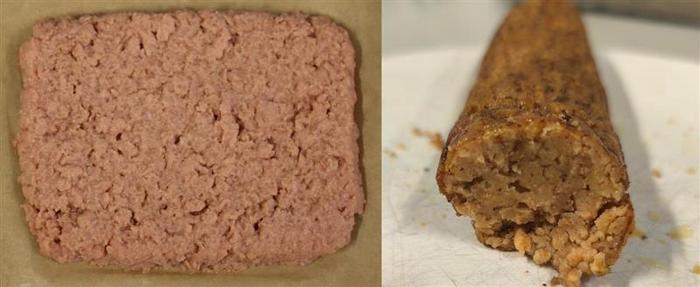
Taste testers preferred patties (left image) and sausage-like links (right image) made from fungi grown on carrot side streams to similar versions made with more traditional plant-based proteins. Credit: Adapted from the Journal of Agricultural and Food Chemistry 2025
Gand and colleagues screened 106 fungal strains grown on orange and black carrot side streams generated during natural colour production, to determine which fungus grew best and produced the highest protein content. Based on growth performance and protein output, they selected Pleurotus djamor (pink oyster mushroom) and optimised cultivation conditions to improve yields.
The resulting mycelium protein demonstrated biological values comparable to those of animal and plant proteins, indicating efficient absorption and utilisation by the human body. It was also low in fat and offered fibre levels similar to those found in other edible fungi, supporting its suitability as a fortifying ingredient in nutritionally balanced plant-based foods.
To evaluate functional performance, the team produced vegan patties in which soy protein was replaced with zero, 25, 50, 75 and 100 percent mycelium. Sensory panels assessed texture, taste and aroma, with participants preferring patties made entirely from mycelium over those based solely on soy protein.
Vegan sausages developed using fresh mycelium were also compared with chickpea-based equivalents. Testers generally preferred the smell and taste of the mycelium-containing sausages.
The findings suggest fungal mycelium grown on plant remnants could offer food manufacturers a scalable protein source capable of enhancing nutritional quality, reducing the risk of deficiencies and improving sensory performance in plant-based foods, without requiring additional agricultural inputs.
Gand concluded:
Utilising side streams as substrate for mycelium production reduces environmental impact while adding value and supports food security by enabling an efficient and sustainable protein production.”
Related topics
Alternative Proteins, Cultured Meat, Food Waste, Health & Nutrition, Ingredients, New product development (NPD), Plant based, Processing, Proteins & alternative proteins, Research & development, Sustainability, World Food