The regulator urges caution as some Dubai-style chocolate lacks allergen labelling amid festive demand and TikTok-driven popularity.
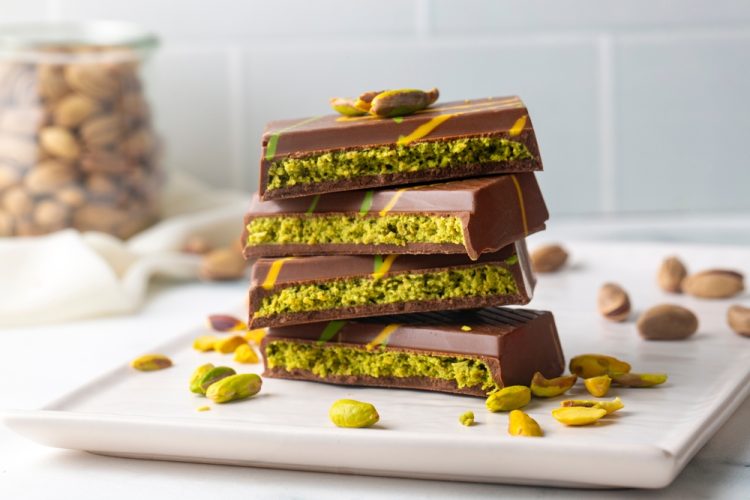
The Food Standards Agency (FSA) has issued a precautionary warning advising people with allergies not to eat Dubai-style chocolate after identifying products that fail to meet UK food safety and labelling standards.
The warning, issued earlier this year and reiterated as demand peaks ahead of Christmas, follows a surge in popularity for Middle Eastern-inspired confectionery driven by TikTok trends. Major retailers and brands including Aldi, Waitrose and Godiva moved quickly to meet consumer demand, but the FSA says not all products on sale are correctly labelled.
The regulator has identified Dubai-style chocolate products that may contain undeclared allergens such as peanut and sesame, posing a serious risk to people with food allergies. The FSA has shared this information with businesses and industry groups and is reviewing sampling data from products currently on sale to assess compliance.
While the review continues and results remain outstanding, the FSA is urging people with allergies to avoid Dubai-style chocolate as a precaution.
Rebecca Sudworth, Director of Policy at the FSA, said:
Dubai-style chocolate has become hugely popular, but we’ve found that some products contain peanut and sesame that aren’t declared on the label. For someone with allergies, this could be dangerous.
With Christmas just around corner, there is a risk that some products on sale may not meet our strict UK standards.
People with an allergy should not eat Dubai-style chocolate. If you’re buying a gift for someone who lives with allergies, our advice is to avoid buying these products. This includes all allergies, not just peanut and sesame. People without allergies can consume these products, especially where they are supplied by reputable brands and retailers.
People should be able to trust that food in UK shops is safe and that it’s what it says it is, so we’re reminding businesses of their responsibility to ensure the safety of the food products they sell. We’ve also shared our concerns with allergy charities so they can help us make sure consumers have the information they need to make informed choices.
We’re continuing to monitor these products and will provide further advice, so sign up to our food alerts to stay up to date.”
Jessica Merryfield, Chartered Trading Standards Practitioner and Head of Policy and Campaigns at The Chartered Trading Standards Institute (CTSI), added:
CTSI fully supports the FSA’s precautionary advice and share their commitment to protecting the safety and health of consumers, particularly when it comes to allergens in food; these can be fatal to those with food hypersensitivity.
The legal requirements on this are clear – any food containing allergens needs to be clearly identified and labelled as such to allow consumers to make informed and safe choices. To not do this is illegal and also highly dangerous as it makes such foods unsafe to those with food allergies. We urge all food businesses, including retailers and importers, to take immediate steps to comply. Businesses who are not sure if they are affected by this warning should contact their local Trading Standards service for advice and guidance.
The public should be assured that Trading Standards professionals nationwide – whether advising businesses or enforcing compliance – are working closely with the FSA and affected companies to ensure products meet all safety and labelling requirements. Together, we can help keep people safe and maintain trust in the food supply chain.”
FSA advice and checklist
For people who do choose to buy Dubai-style chocolate, FSA advice is to buy from a reputable retailer and check that the product label is in English and contains the following information:
- the name of the food (e.g. milk chocolate with pistachio paste filling)
- a list of ingredients, with allergens emphasised
- the weight of the food in grams
- a best before or use by date
- the name and address of the UK or EU business responsible for the product information. If the food is not from the UK or EU, the name and address of the importer must be included.
More guidance and safety information on food allergies is available at food.gov.uk.
Related topics
Allergens, Food Safety, Ingredients, Labelling, Packaging & Labelling, Regulation & Legislation, retail, Supermarket, Supply chain, The consumer, Traceability, Trade & Economy, World Food