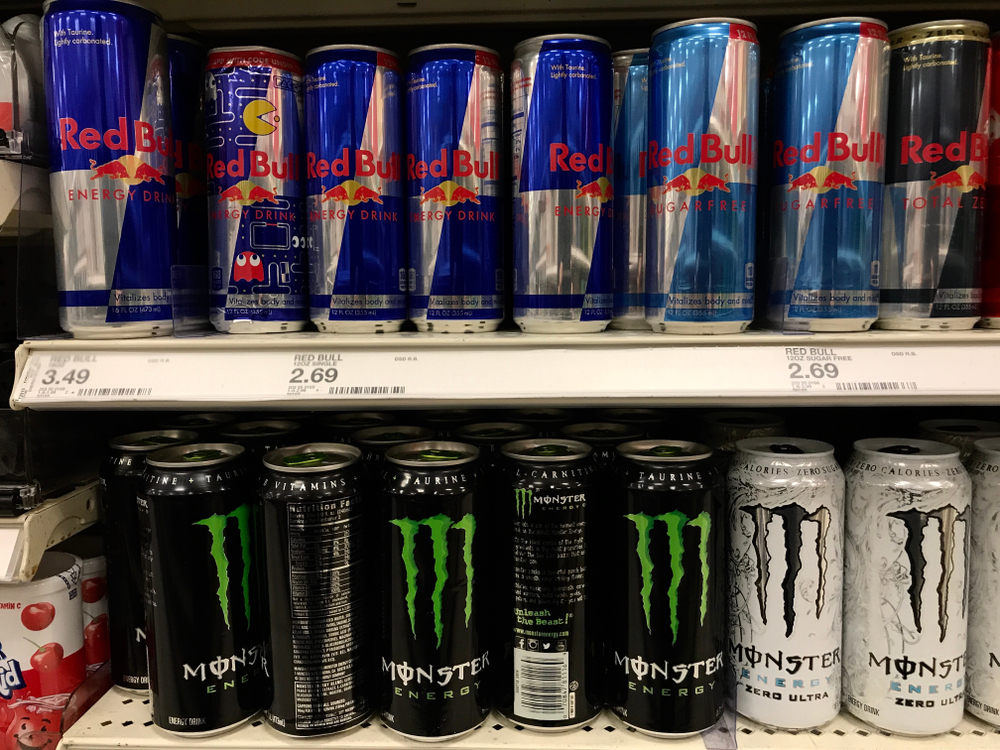
UK doctors warn that heavy energy drink consumption may increase stroke and cardiovascular disease risk, following a BMJ case involving extreme daily caffeine intake.
A daily habit of multiple high-caffeine energy drinks may significantly raise stroke risk, UK doctors have warned, after medical professionals at Nottingham University Hospitals NHS Trust reported a case in BMJ Case Reports involving a previously healthy man in his 50s.
The patient, who consumed eight cans a day, suffered a thalamic stroke and presented with dangerously high blood pressure, prompting clinicians to call for stricter controls on energy drink sales and caffeine consumption.
He arrived at hospital with left-sided weakness and numbness, along with problems with balance, walking, swallowing and speech. His blood pressure measured an extreme 254/150 mm Hg. Although antihypertensive treatment briefly reduced his systolic pressure, it rose again after discharge.
Further questioning revealed that he consumed between 1,200 and 1,300 mg of caffeine a day, more than triple the recommended maximum of 400 mg. Once he stopped drinking energy drinks, his blood pressure returned to normal and he no longer needed medication.
In their report, the clinicians wrote:
It was therefore thought to be likely that the patient’s consumption of highly potent energy drinks was, at least in part, a contributive factor to his secondary hypertension (high blood pressure) and in turn his stroke.”
Eight years later, despite improvement in his cardiovascular health, the man continues to live with neurological effects. He explained:
I obviously wasn’t aware of the dangers drinking energy drinks were causing to myself. (I) have been left with numbness (in my) left hand side hand and fingers, foot and toes even after 8 years.”
Cardiovascular risk still overlooked
The authors note that the patient’s lack of awareness reflects a wider misconception that energy drinks pose little cardiovascular danger. They highlight that although UK supermarkets introduced a voluntary ban on sales to under-16s in 2018 to curb obesity, diabetes and tooth decay, the potential risks for cardiovascular disease, including ischaemic and haemorrhagic strokes and particularly in younger people considered to be at low risk, remain poorly explored.
Energy drinks typically contain more than 150 mg of caffeine per litre, high levels of glucose-based sugar and a mix of additional stimulatory compounds. The authors state that declared caffeine levels reflect only the pure caffeine, while ingredients such as guarana add hidden caffeine and can contain caffeine at roughly twice the concentration of a coffee bean.
They suggest that interactions between taurine, guarana, ginseng and glucuronolactone may intensify caffeine’s cardiovascular effects. Although an average energy drink contains around 80 mg of caffeine per 250 ml, some products contain up to 500 mg in a single serving, significantly increasing the risk of acute overconsumption.
Regulation and industry responsibility
The doctors say that the strong public health focus on alcohol and smoking contrasts sharply with the lack of awareness surrounding heavy energy drink consumption. They added:
There is regular publicity about health effects of alcohol and smoking, but little about the increasingly prevalent modifiable lifestyle trend of energy drink consumption.
As our case and discussion illustrate, it is possible that both acute and chronic intake of energy drinks may increase cardiovascular disease and stroke risk, and importantly, this may be reversible.”
This comes as the UK Government announced in September that it plans to ban the sale of high-caffeine energy drinks to children under 16 in England, in an effort to tackle obesity and protect young people’s health and education.
Although the report describes a single case, the clinicians argue that the accumulating body of evidence now warrants regulatory attention and say clinicians should adapt their practice by routinely asking young patients presenting with stroke or unexplained hypertension about their energy drink consumption. The doctors concluded:
While the current evidence is not conclusive, given the accumulating literature, the high morbidity and mortality associated with stroke and cardiovascular disease and the well-documented adverse health effects of high-sugar drinks, we propose that increased regulation of energy drink sales and advertising campaigns (which are often targeted at younger ages) could be beneficial to the future cerebrovascular and cardiovascular health of our society.”