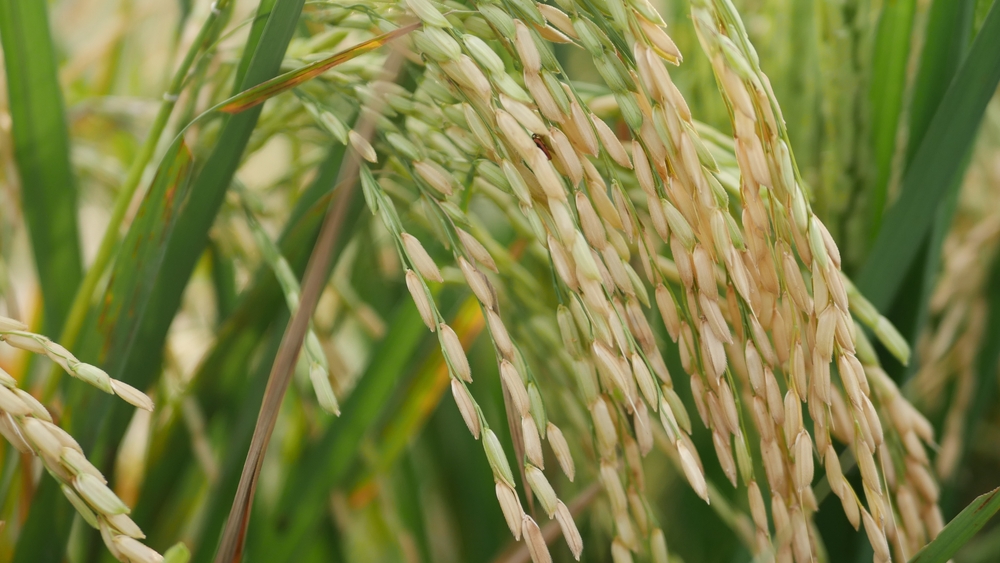
The company aims to strengthen long-term supply chain resilience by 2030, supporting farmers to adopt climate-smart techniques that improve yields sustainably
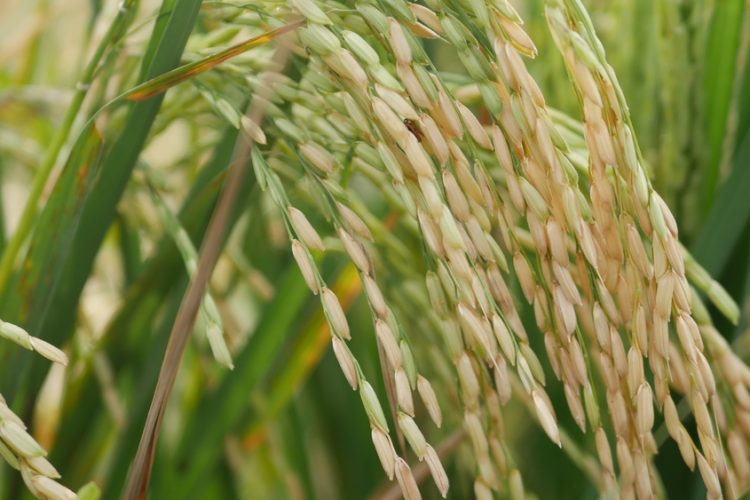
Mars has announced a $20 million investment to accelerate sustainable rice sourcing by 2030, aiming to protect global yields and farmer livelihoods as climate volatility intensifies.
The decade-long commitment, delivered through the company’s new Raising Rice Right platform, will support rice farmers worldwide to adopt climate-smart agriculture practices proven to reduce water use, curb methane emissions and build long-term resilience.
Rice feeds 3.5 billion people and provides income for around 19 percent of the world’s population. Yet traditional production accounts for up to 10 percent of global methane emissions and uses around 40 percent of the world’s irrigation water. Recent IPCC and FAO projections warn that rice yields could fall 10 to 15 percent by 2050 without significant adaptation. UK rice consumption also remains high, with the public eating 2.3 billion bowls each year.
Dale Creaser, Global Vice President of Supply Chain at Mars Food & Nutrition, said:
Rice is a daily staple for billions of people and provides an income to millions of farmers around the world, but climate change is placing extraordinary pressure on this vital crop.
As the owners of Ben’s Original, one of the world’s largest rice brands, we have a responsibility to act. This $20 million investment is about backing our farmers with the tools, technology and training support they need to adapt and thrive in a changing environment. It’s also about future-proofing our business to ensure we’re building a resilient food supply chain.
We’re committed to making rice farming more sustainable and protecting yields and livelihoods for our farmers today and for generations to come.”
Priority areas for Mars’ investment
The Mars investment will enable the company to scale proven climate-smart techniques such as alternate wetting and drying (AWD), which reduces methane generation by periodically draining fields instead of maintaining continuous flooding. AWD can cut water use by up to 30 percent and lower greenhouse gas emissions by more than 40 percent while maintaining yields.
Farmers supplying Mars have already shown the benefits. The Whitaker family in Arkansas, who supply rice to the company, reduced water use by 60 percent and achieved up to 60 percent lower emissions than the regional average after adopting AWD.
Mars will also expand training, tools and technology for farmers in Thailand, Pakistan and India. Under the Sustainable Aromatic Rice Initiative (SARI) in Thailand, Mars Food & Nutrition, GIZ and Herba trained more than 1,400 farmers in climate-smart techniques that improved yields while reducing environmental impact.
The company says it will continue to strengthen farmer resilience through its Sustainable in a Generation Plan, which commits to reaching all farmers in its supply chain at risk of poverty with programmes designed to help them thrive.
With brands including Ben’s Original, Tasty Bite and Seeds of Change, Mars relies heavily on rice across its portfolio, making long-term supply stability a strategic priority. The investment aligns with its Sustainable in a Generation targets to reduce value-chain emissions by 50 percent by 2030 and achieve net zero by 2050.
Related organisations
Mars