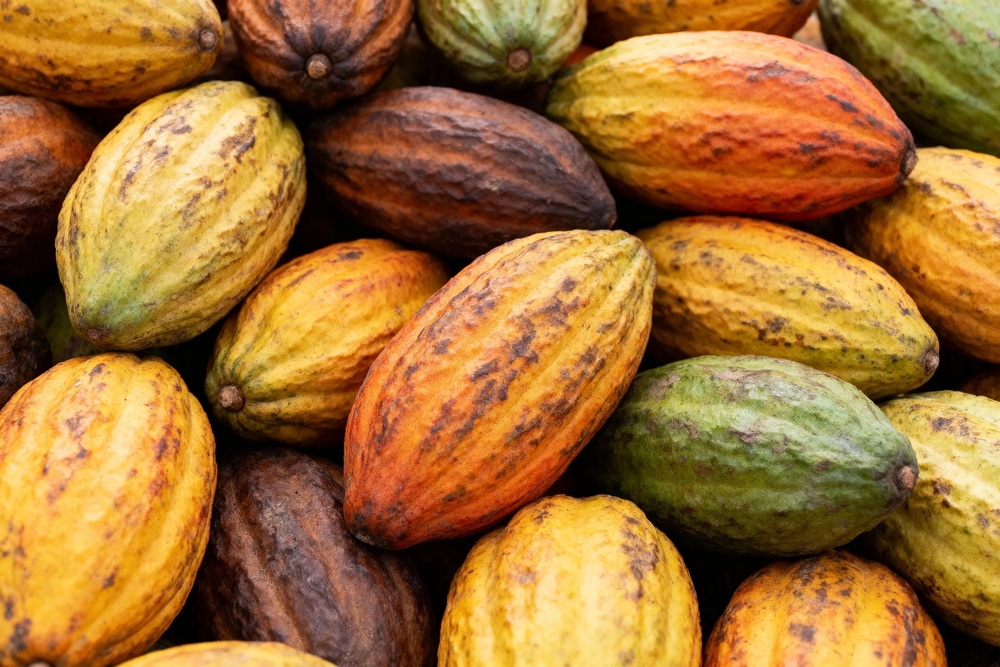
Nestlé and global researchers have created a 96-variety cocoa collection covering 95 percent of worldwide genetic diversity to strengthen future of chocolate production.
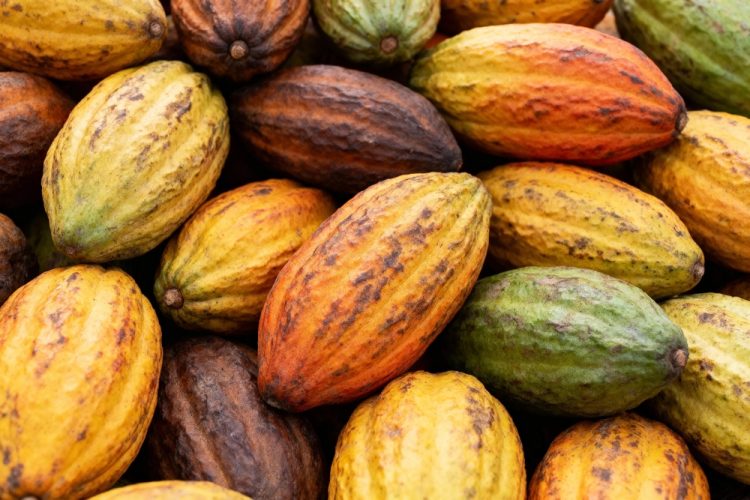
Nestlé scientists have helped map the world’s cocoa diversity, creating a gene collection that could secure the long-term future of chocolate production.
The new “core collection” of 96 varieties represents more than 95 percent of global cocoa genetic diversity and will fast-track the development of higher-yielding, disease-resistant and climate-resilient cocoa plants.
Published in BMC Genomics, the project brings together Nestlé Research, Pennsylvania State University (Penn State), the Tropical Agricultural Research and Higher Education Center (CATIE) and Fox Consultancy. The samples include several high-quality genome sequences from Penn State’s Molecular Biology of Cacao programme, alongside rare varieties housed within CATIE’s Costa Rica cacao collection.
The cocoa sector is facing a growing crisis amid intensifying farming challenges. Climate change, soil depletion, disease, deforestation and unpredictable weather are reducing yields. Pest outbreaks and surging cocoa prices put further pressure on producers. With the risk of shortages and unsustainable production, industry stakeholders are racing to develop more resilient plants.
Jeroen Dijkman, Head of the Nestlé Institute of Agricultural Sciences, said:
Assembling the world’s genetic diversity of cocoa into a well-curated collection, or a ‘Noah’s Ark’ of cocoa diversity, not only makes sense from a conservation point of view. It will also allow us to uncover key traits that can be used in traditional breeding programs to safeguard the future of cocoa.”
Small percentage currently used commercially
A core collection enables researchers to study thousands of varieties through a smaller, representative group, dramatically cutting the time and cost of breeding and field testing.
Patrick Descombes, Senior Expert in Genomics at the Nestlé Institute of Food Safety and Analytical Sciences, explained:
Cocoa is a key ingredient in many of our products, especially chocolate. Yet, the fact that only a small percentage of global cocoa diversity is currently used in commercial production makes its supply chain more vulnerable to a fast-changing world.
We leveraged cutting-edge genomic techniques, including deep sequencing of cocoa tree genomes, advanced data analysis, and bioinformatics, to explore genetic similarities and differences across over 300 cocoa varieties and establish this core collection.”
The sequencing data is publicly available through the National Center for Biotechnology Information database, while physical trees can be accessed at CATIE, Penn State and other research sites, opening opportunities for breeders worldwide.
Safeguarding future chocolate supply
Alongside its breeding research, Nestlé is also exploring new ways to increase value from cocoa harvesting. The company has patented a technique that uses under-utilised pod components such as pulp and placenta to create cocoa flakes, adding commercial potential beyond the bean alone.
Nestlé’s Cocoa Plan continues to support farmers with training, sustainable sourcing and livelihood improvements. Together, these initiatives form part of the company’s strategy to build a more robust supply chain so that, in its words, “consumers can continue enjoying chocolate for generations to come.”