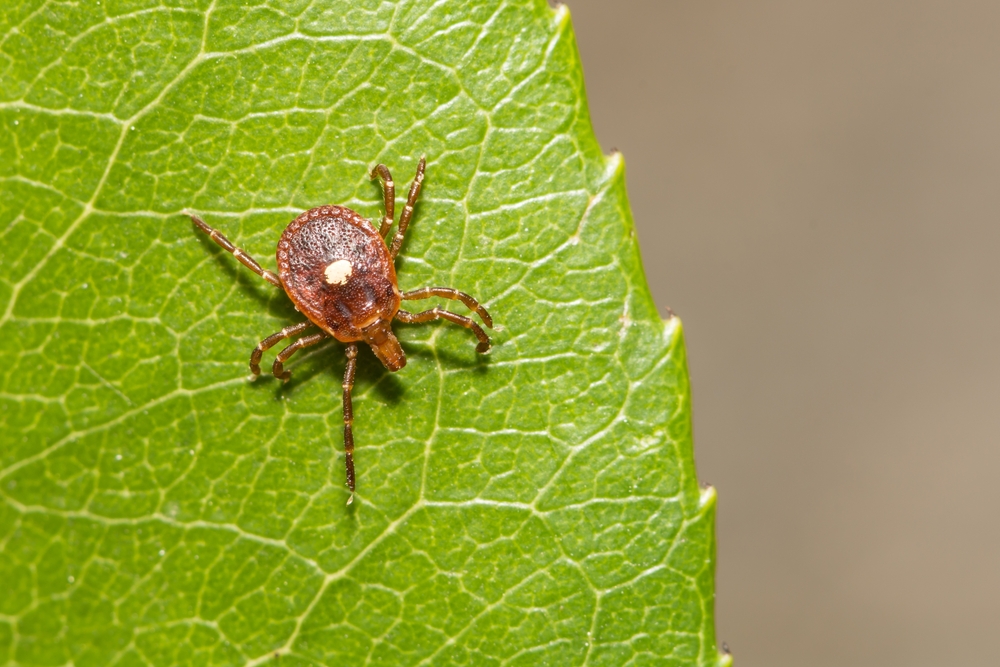
US researchers have confirmed the first fatality from alpha-gal meat allergy, triggered by a tick bite and delayed anaphylaxis.
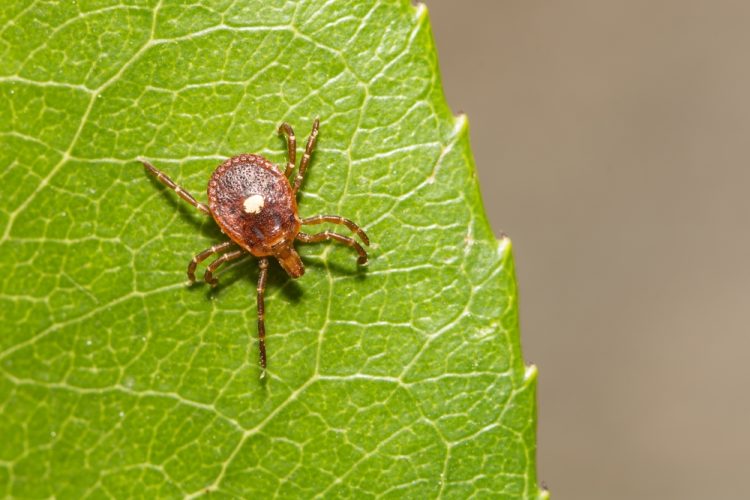
Lone Star ticks are the primary source of alpha-gal syndrome in the United States, transmitting the sugar that triggers the meat allergy.
Researchers at the University of Virginia School of Medicine have confirmed the first known death caused by alpha-gal syndrome, a meat allergy triggered by a tick bite and increasingly seen across the United States.
A 47-year-old man from New Jersey died in summer 2024 after collapsing hours after eating a hamburger, in what investigators have since identified as a severe delayed anaphylactic reaction.
It is important that both doctors and patients who live in an area of the country where Lone Star ticks are common should be aware of the risk of sensitisation.”
The findings were published on Wednesday in the Journal of Allergy and Clinical Immunology: In Practice, marking the first documented death associated with alpha-gal syndrome.
His cause of death, initially recorded as “sudden unexplained death”, was re-examined after his wife requested further investigation. Blood analysis by UVA Health allergist and alpha-gal expert Professor Thomas Platts-Mills revealed post-mortem sensitisation to alpha-gal and biological markers consistent with fatal anaphylaxis.
Platts-Mills, who first discovered alpha-gal syndrome, said: “The important information for the public is: First, that severe abdominal pain occurring 3 to 5 hours after eating beef, pork or lamb should be investigated as a possible episode of anaphylaxis; and, second, that tick bites that itch for more than a week or larvae of ticks often called ‘chiggers’ can induce or increase sensitisation to mammalian-derived meat.”
He added: “Most individuals who have mild to moderate episodes of hives can control symptoms with an appropriate diet.”
What is alpha-gal syndrome?
Alpha-gal syndrome is a delayed food allergy that occurs when the immune system reacts to alpha-gal, a sugar molecule found in mammals such as cows, pigs, goats and deer. When a tick feeds on one of these animals, alpha-gal enters the tick’s saliva. A later bite on a human can transfer the molecule and sensitise the immune system.
In the United States, the Lone Star tick is responsible for most alpha-gal syndrome cases. Other tick species are responsible for cases across Europe, Asia, Australia, South Africa and Central and South America. Once sensitised, individuals may experience allergic reactions after eating beef, pork, lamb and other mammalian products including gelatin or certain dairy ingredients.
Because symptoms often appear several hours after eating, many people remain undiagnosed. Some unexplained anaphylactic events are now believed to be caused by undetected alpha-gal syndrome.
The only effective management is complete avoidance of mammalian meat and triggering products. A serious allergic reaction may require emergency treatment with epinephrine (also known as adrenaline) and immediate hospital care.
Symptoms
Alpha-gal reactions typically begin between two and six hours after eating food that contains the alpha-gal molecule. Symptoms can range from mild to life-threatening and may include:
- Hives and itching
- Swelling of the lips, face, throat or eyelids
- Wheezing or shortness of breath
- Stomach pain, diarrhoea, nausea or vomiting
Symptoms may lessen or disappear over time if people avoid further tick exposure.
A fatal delayed reaction
The New Jersey man experienced two severe episodes in the weeks before his death, both beginning several hours after eating red meat.
During a family camping trip, he ate steak at 10pm and woke around 2am with intense abdominal pain, vomiting and diarrhoea. He recovered by morning and told his son he believed he was going to die. Two weeks later, after eating a hamburger at a barbecue, he again became unwell and collapsed in the bathroom where he was found unresponsive shortly after 7.30pm.
An autopsy did not determine a cause of death. His wife, unconvinced, asked a doctor to review the findings. The doctor contacted Platts-Mills’ team, who obtained post-mortem blood samples that showed high levels of alpha-gal antibodies and evidence of an extreme allergic reaction.
Although the family believed he had suffered 12 to 13 “chigger bites” earlier that summer, Platts-Mills explained that many such bites in the eastern United States are actually caused by Lone Star tick larvae. This is the same species responsible for transmitting alpha-gal.
Several factors may have intensified his reaction, including drinking a beer with the meal, exposure to ragweed pollen, exercise earlier that day and the fact he rarely ate red meat.
Growing risks and underdiagnosis
Platts-Mills warned that rising deer populations across the United States are increasing human contact with Lone Star ticks.
“It is important that both doctors and patients who live in an area of the country where Lone Star ticks are common should be aware of the risk of sensitisation,” he said. “More specifically, if they have unexpected episodes of severe abdominal pain occurring several hours after eating mammalian meat, they should be investigated for possible sensitisation to the oligosaccharide alpha-gal.”
Between 2010 and 2022, the United States recorded around 110,000 suspected cases, although researchers believe the true figure is significantly higher.
The delayed onset of symptoms means many people, and many clinicians, do not immediately link reactions to red meat consumption, making awareness and early investigation increasingly critical.


FVJlvMyRSsMBGigg
Thank you for your sharing. I am worried that I lack creative ideas. It is your article that makes me full of hope. Thank you. But, I have a question, can you help me? https://accounts.binance.com/hu/register-person?ref=IQY5TET4
I don’t think the title of your article matches the content lol. Just kidding, mainly because I had some doubts after reading the article.
Thanks for sharing. I read many of your blog posts, cool, your blog is very good.
Thanks for sharing. I read many of your blog posts, cool, your blog is very good. https://www.binance.info/zh-CN/register?ref=WFZUU6SI
Your point of view caught my eye and was very interesting. Thanks. I have a question for you.
Your article helped me a lot, is there any more related content? Thanks!
Thanks for sharing. I read many of your blog posts, cool, your blog is very good. https://www.binance.info/sl/register?ref=I3OM7SCZ
Your article helped me a lot, is there any more related content? Thanks!
Thank you for your sharing. I am worried that I lack creative ideas. It is your article that makes me full of hope. Thank you. But, I have a question, can you help me? https://accounts.binance.info/register-person?ref=QCGZMHR6